

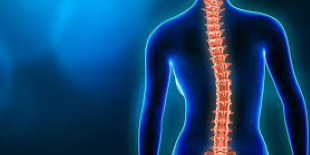
Scoliosis can affect the way the body moves, stands, sits and handles daily pressure. For some people, it causes little discomfort. For others, it can contribute to back pain, neck pain, hip discomfort, muscle tension, posture changes or stiffness that becomes harder to ignore over time.
At Ten Oaks Health and Wellness in Glenelg, MD, chiropractic care is used as a supportive approach for scoliosis-related symptoms. The goal is not to promise a cure or claim that chiropractic care can reverse a spinal curve. The goal is to help patients understand what may be contributing to their discomfort, improve how the body moves, and support better posture, mobility and day-to-day function.
Ten Oaks Health and Wellness serves patients from Glenelg, Ellicott City, Clarksville, West Friendship, Columbia and the surrounding Howard County area.
If scoliosis-related pain or stiffness is affecting your routine, a careful evaluation can help determine whether chiropractic care, corrective exercise, massage therapy, active release or another supportive service may be appropriate for your needs.
Can Chiropractic Care Help with Scoliosis?
Chiropractic care does not “fix” scoliosis in the sense of straightening the spine or permanently reversing a spinal curve. Scoliosis is a structural condition, and every case is different. Some curves are mild and stable. Others may need monitoring, medical evaluation, bracing, physical therapy or specialist care.
What chiropractic care may help with is the way the body responds to scoliosis.
When the spine has a curve, the surrounding joints, muscles and soft tissues may work unevenly. One side of the back may become tighter. The hips or shoulders may feel unbalanced. Certain movements may feel restricted. Some patients notice discomfort after standing, sitting, walking, exercising or working at a desk for long periods.
For the right patient, chiropractic care may help support:
- Improved spinal and joint mobility
- Reduced muscle tension around the back, neck and hips
- Better movement quality
- Less stiffness during daily activities
- Posture awareness and support
- Comfort during sitting, standing and walking
- A more personalized plan for managing symptoms
The most responsible first step is an evaluation. That allows the provider to understand the type of scoliosis, the symptoms involved, the patient’s age, movement patterns and whether additional care or referral may be needed.
Ten Oaks Health and Wellness regularly treats patients with scoliosis within the Western Howard County region including Glenelg, West Friendship, Clarksville, and Ellicott City. Dr. Glenn Molin, Ten Oaks Health and Wellness’s chiropractor has been treating people with scoliosis throughout his career and has experienced many great successes.
Scoliosis, a condition where the spine curves sideways, is relatively common, affecting about 2-3% of the population. The severity of scoliosis varies, with many cases being mild and not requiring treatment, while others may be severe enough to consider bracing or surgery.
Groups Most at Risk:
- Adolescents (10-15 years old):
- Idiopathic scoliosis, the most common type, often develops during growth spurts in adolescence. Girls are more likely to develop more severe curves that may need treatment.
- Females:
- While scoliosis can affect both males and females, girls are 8 times more likely to develop significant spinal curves that require intervention.
- Family History:
- There is a genetic component to scoliosis. If a family member has scoliosis, others in the family may be at higher risk of developing it.
- People with Neuromuscular Disorders:
- Conditions like muscular dystrophy, cerebral palsy, and spina bifida increase the risk of scoliosis because these disorders affect the muscles that support the spine.
- Older Adults:
- Degenerative scoliosis can occur in older adults due to age-related changes in the spine, such as arthritis or osteoporosis, leading to spinal deformities.
Prevalence:
- Adolescent Idiopathic Scoliosis: Most common, affecting 2-3% of children aged 10-15.
- Degenerative Scoliosis: More common in adults over 50 as a result of spine degeneration.
- Neuromuscular Scoliosis: Seen in individuals with underlying neuromuscular conditions.
Early screening and monitoring are key for managing scoliosis, especially in adolescents going through growth spurts. If caught early, non-invasive treatments like bracing may prevent further curvature progression.
How chiropractic care helps scoliosis:
Chiropractic care can play a supportive role in managing scoliosis, particularly in alleviating symptoms, improving mobility, and enhancing overall spinal health. While chiropractic treatment cannot cure scoliosis or completely reverse the curvature of the spine, it can help manage the condition and improve the quality of life for those affected.
Benefits of Chiropractic Care for Scoliosis:
- Pain Relief
- Chiropractic adjustments can help reduce pain caused by scoliosis by relieving pressure on the nerves and improving joint function. The adjustments can help align the spine in a way that reduces discomfort in the back, neck, and hips.
- Improved Mobility and Flexibility
- Scoliosis can lead to stiffness and limited mobility. Chiropractic care can help improve range of motion in the spine and other joints, making it easier for patients to move freely and participate in daily activities.
- Reduction in Muscle Tension
- Scoliosis often leads to muscle imbalances, with some muscles becoming overworked and others weakening. Chiropractic adjustments, combined with soft tissue work, can help release tension in tight muscles and promote more balanced muscle function.
- Postural Correction
- Chiropractors focus on improving posture through both adjustments and exercises. While they can’t correct the spinal curve itself, improving posture can help alleviate compensatory issues and improve overall body alignment, which can reduce the strain scoliosis places on the body.
- Complement to Other Treatments
- Chiropractic care can be part of a multidisciplinary approach to scoliosis management. It can complement other treatments such as bracing, physical therapy, and even surgery by helping manage symptoms and improving spinal health.
- Non-invasive Approach
- For individuals with mild to moderate scoliosis, chiropractic care offers a non-invasive alternative for managing pain and discomfort, which can reduce or eliminate the need for medications and invasive procedures like surgery.
- Spinal Decompression
- Some chiropractors use techniques like spinal decompression therapy, which involves gently stretching the spine to relieve pressure on the vertebrae and nerves. This can help reduce discomfort associated with scoliosis and promote better spinal alignment.
Chiropractic Care Techniques for Scoliosis:
- Spinal Adjustments: Manual manipulations to improve spinal function and reduce nerve pressure.
- Soft Tissue Therapy: Massage or trigger point therapy to relieve muscle tension.
- Rehabilitation Exercises: Custom exercises aimed at improving core strength, posture, and flexibility.
- Postural Training: Guidance on how to maintain proper posture to minimize scoliosis-related discomfort.
The entire staff at Ten Oaks Health and Wellness has the experience needed to help those with scoliosis effectively manage scoliosis symptoms. It’s important to develop a comprehensive treatment plan to help restore mobility and stability. If you or your child are suffering from scoliosis, please consider visiting our state-of-the-art facility. We offer a wide range of treatments for mild to severe scoliosis cases. To learn more about our scoliosis treatment options or to schedule a consultation with one of our expert team members, please contact us today.
What Chiropractic Care Can and Cannot Do for Scoliosis
Patients deserve clear information, especially when dealing with spine-related conditions. Scoliosis care should never be built around exaggerated promises.
What chiropractic care may help with
Chiropractic care may help reduce stress on irritated joints, improve mobility in restricted areas, and support the muscles and soft tissues that work around the spine. Some patients with scoliosis seek chiropractic care because they want help with pain, stiffness, posture, tight muscles, headaches, hip discomfort or limited movement.
Care may also include practical guidance for daily movement, posture habits, stretching, strengthening and ways to reduce unnecessary strain during work, exercise or household activities.
What chiropractic care cannot promise
Chiropractic care should not be presented as a guaranteed way to correct scoliosis, reverse a spinal curve or replace medical monitoring when that is needed. In some cases, scoliosis requires evaluation from a medical specialist, imaging, bracing, physical therapy or ongoing observation.
At Ten Oaks Health and Wellness, the focus is on careful assessment, realistic expectations and supportive care. If symptoms suggest that another type of evaluation is needed, that should be part of the conversation.
Scoliosis Symptoms That May Benefit from Evaluation
Scoliosis does not feel the same for every person. Some people are told they have scoliosis during adolescence and have little pain. Others develop discomfort later in life due to degeneration, posture changes, muscle imbalance or years of compensation.
A chiropractic evaluation may be helpful if scoliosis is connected with symptoms such as:
- Back pain
- Neck pain
- Hip discomfort
- Muscle tension
- Posture changes
- Stiffness
- Reduced mobility
- Uneven shoulders or hips
- Pain after standing for long periods
- Pain after sitting at a desk or driving
- Discomfort during exercise or daily movement
- Tightness on one side of the back or hips
These symptoms do not always come directly from the curve itself. They may come from how the body compensates around the curve. That is why a full evaluation is more useful than focusing only on where the pain is felt.
If pain is severe, rapidly worsening, associated with weakness, numbness, loss of balance, fever, unexplained weight loss, or changes in bladder or bowel control, medical evaluation should be sought promptly.
Scoliosis Care for Adults vs. Teens
Scoliosis care can look different depending on age, curve type, symptoms and stage of life.
Scoliosis in teens
Teenagers with scoliosis are often monitored because the spine may still be growing. In some cases, medical providers may recommend observation, imaging, bracing, physical therapy or referral to a specialist. Chiropractic care may be considered as supportive care for comfort, mobility, muscle tension and posture awareness, but it should not replace appropriate medical monitoring during growth years.
Scoliosis in adults
Adults may experience scoliosis differently. Some had scoliosis as a teen and notice symptoms later in life. Others develop adult degenerative scoliosis due to age-related changes in the spine. Adults may seek care because of back pain, stiffness, hip discomfort, muscle fatigue, balance changes or difficulty staying active.
For adults, chiropractic care may focus on improving mobility, reducing mechanical stress, supporting posture, and helping the patient move with more comfort. Corrective exercise, soft tissue care and practical lifestyle guidance may also be part of the plan.
Because every scoliosis case is different, care should be personalized. The right approach depends on the person, not only the diagnosis.
How Ten Oaks Wellness Supports Scoliosis Patients
Ten Oaks Health and Wellness takes a whole-body approach to scoliosis-related discomfort. The goal is to look at how the spine, muscles, joints, posture and daily habits work together.
Depending on the evaluation, care may include one or more supportive services.
Chiropractic Care
Chiropractic care may help improve joint mobility, reduce mechanical stress and support better movement patterns. For scoliosis patients, this may be especially helpful when stiffness, back pain, neck pain or posture-related discomfort are present.
Physical Therapy & Exercise
Physical therapy and corrective exercise can support strength, flexibility, balance and long-term function. For scoliosis, exercise may focus on stability, posture awareness, breathing mechanics, mobility and better control of movement.
Massage Therapy
Massage therapy may help reduce muscle tension, soreness and tightness that can build around the back, neck, shoulders and hips. This can be useful when scoliosis contributes to uneven muscle stress or chronic tightness.
Active Release Technique
Active Release Technique is used to address soft tissue restrictions, muscle tightness and movement-related discomfort. It may be helpful when scoliosis-related compensation affects the hips, legs, lower back, shoulders or neck.
Spinal Posture and Correction
Spinal posture correction may help patients better understand alignment, posture habits and daily positions that may increase strain. The goal is not to force the body into an unrealistic position, but to support better awareness and more comfortable movement.
Some patients need only one type of care. Others benefit from a combination. The first visit helps determine what makes sense.
Scoliosis Chiropractor Near Ellicott City, Clarksville & Howard County
Ten Oaks Health and Wellness is located in Glenelg, MD, making it a convenient option for patients looking for scoliosis chiropractic care near Ellicott City, Clarksville, West Friendship, Columbia and the wider Howard County area.
Many patients search for a chiropractor nearby because they want care that is close enough to fit into a normal routine. That matters. Scoliosis-related discomfort often responds better when care is consistent, realistic and supported by daily habits outside the office.
Patients from nearby communities visit Ten Oaks Health and Wellness for help with back pain, neck pain, posture changes, muscle tension, mobility concerns and wellness support. The office provides a calm, patient-focused environment where symptoms are discussed clearly and care is adapted to the individual.
If you live or work near Glenelg, Ellicott City, Clarksville, West Friendship or Columbia, a scoliosis-focused chiropractic evaluation can help you better understand your options.
When to Schedule a Scoliosis Consultation
You may want to schedule a consultation if scoliosis is affecting how you move, sit, stand, sleep or stay active. You do not need to wait until pain becomes severe.
A consultation may be helpful if you notice:
- Back pain that keeps returning
- Neck or shoulder tension
- Hip discomfort or uneven pressure
- Stiffness after sitting or standing
- Muscle tightness on one side of the body
- Posture changes that feel harder to manage
- Reduced comfort during daily activities
- Concern about how scoliosis may be affecting movement
During the visit, the goal is to understand your symptoms, your history, your movement patterns and what kind of support may be appropriate.
To ask a question or schedule a visit, you can contact Ten Oaks Health and Wellness.
FAQ
Can a chiropractor fix scoliosis?
A chiropractor should not promise to fix scoliosis or permanently reverse a spinal curve. Chiropractic care may help some patients manage scoliosis-related symptoms such as back pain, stiffness, muscle tension, posture stress and limited mobility.
Can chiropractic care help scoliosis pain?
Chiropractic care may help some people with scoliosis-related pain by improving joint mobility, reducing mechanical stress and addressing muscle tension around the spine, hips, neck and shoulders. The right approach depends on the person and the type of symptoms they have.
Is chiropractic care safe for scoliosis?
Chiropractic care may be appropriate for some scoliosis patients when it is based on a careful evaluation and realistic goals. Safety depends on age, curve severity, symptoms, health history and whether any additional medical evaluation is needed.
Can adults with scoliosis see a chiropractor?
Yes, many adults with scoliosis seek chiropractic care for back pain, stiffness, posture concerns, hip discomfort and mobility issues. Adult scoliosis care should be personalized, especially when degenerative changes or long-term compensation patterns are involved.
What should I expect during a scoliosis consultation?
A scoliosis consultation may include a discussion of your symptoms, health history, posture, movement, daily activities and previous diagnosis or imaging if available. The provider may assess mobility, areas of tension and how your body is compensating around the curve.
Do I need physical therapy or exercises for scoliosis?
Some scoliosis patients benefit from corrective exercise or physical therapy support, especially when strength, posture, mobility or stability are part of the problem. The best plan depends on the evaluation and the patient’s goals.