

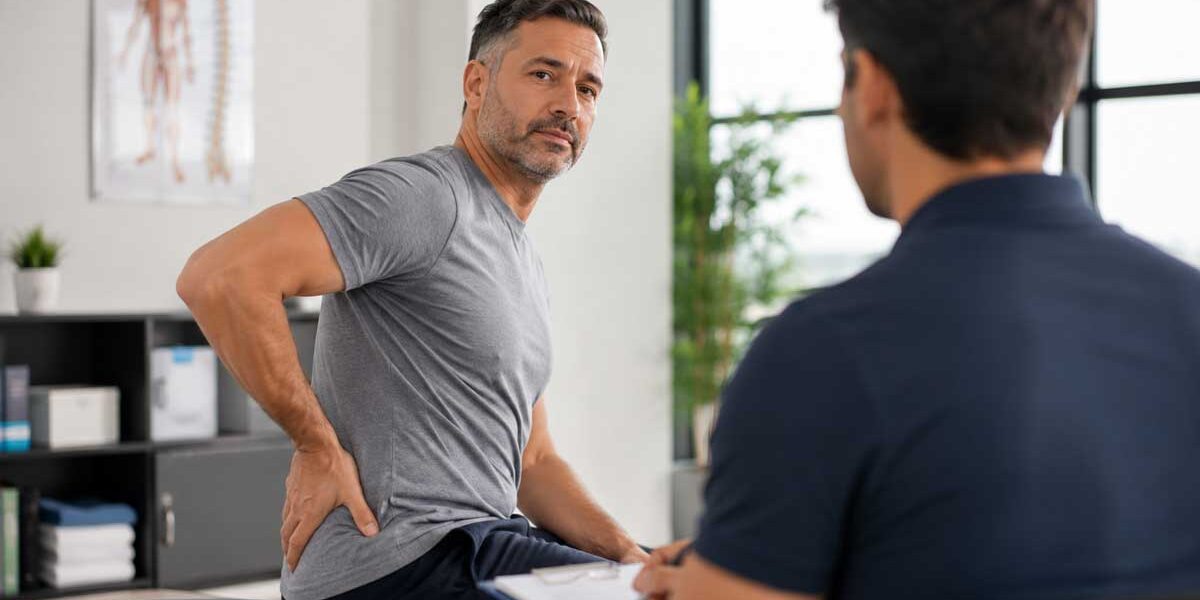
Pain does not always stay in one place. A problem that starts in the lower back may be felt in the hip. Hip tightness may change how the leg moves. A sore glute may make the lower back feel worse. Sometimes the painful area is only part of the story.
This is why back, hip and leg pain can be confusing. A person may stretch the hip, rest the leg, or apply heat to the lower back, but the same discomfort keeps coming back. It may move. It may change during the day. It may feel worse after sitting, walking, driving, lifting or standing for too long.
At Ten Oaks Health and Wellness in Glenelg, MD, patients often come in because pain is affecting more than one area. They may describe lower back pain with hip tightness, leg discomfort, sciatica-like symptoms, glute pain, or stiffness that makes normal movement harder.
The goal is not to guess where the pain is coming from. The goal is to understand how the lower back, hips, pelvis, muscles, joints and nerves may be working together.
Why Pain Can Show Up in More Than One Area
The lower back, hips and legs are closely connected. They share muscles, joints, nerves and movement patterns. When one area is stiff, irritated or overworked, another area may start compensating.
For example, limited hip mobility may cause the lower back to work harder during bending, walking or getting up from a chair. Tight glute muscles may affect how the pelvis moves. A restricted lower back may change how weight is distributed through the hips and legs.
Pain can also travel or feel spread out because nerves from the lower back help supply sensation and function into the hips, glutes and legs. That does not mean every leg symptom is a serious nerve problem, but it does mean symptoms should be evaluated carefully when they keep returning.
Common Patterns Patients Notice
Back, hip and leg pain can appear in different ways. Some people feel a dull ache. Others feel sharp pain, tightness, burning, pulling or fatigue. Some symptoms are constant. Others only show up with certain movements or positions.
Common patterns include:
- Lower back pain with hip tightness
- Pain that travels into the glute or thigh
- Leg discomfort after sitting or driving
- Hip pain when standing up from a chair
- Lower back stiffness after walking
- Tightness on one side of the body
- Glute pain that feels connected to the lower back
- Back pain that improves with movement, then returns later
- Sciatica-like discomfort down the leg
- Reduced mobility in the hips or lower back
These patterns can give useful clues, but they do not replace an evaluation. The same symptom can come from different causes in different people.
How the Lower Back Can Affect the Hip and Leg
The lower back plays a major role in how the body bends, rotates, walks, lifts and sits. When the lower back is stiff or irritated, the hips and legs may begin to compensate.
Some patients feel this as tightness across the low back. Others feel pressure near the pelvis, soreness in the glute, or discomfort that moves toward the leg.
Lower back-related symptoms may be influenced by:
- Joint restriction
- Disc or joint irritation
- Muscle tension
- Poor sitting habits
- Weak core support
- Limited hip mobility
- Old injuries
- Repetitive lifting, bending or twisting
Chiropractic care in Glenelg, MD may help some patients when back, hip or leg discomfort is related to joint restriction, spinal mechanics, posture stress or movement patterns. The right approach depends on the evaluation and the symptoms involved.
How Hip Tightness Can Contribute to Back and Leg Pain
The hips are designed to move. They help with walking, sitting, standing, bending, squatting and climbing stairs. When the hips become stiff or tight, the lower back may take on extra work.
This can happen after long periods of sitting, repetitive exercise, driving, old injuries, limited movement, or muscle imbalance around the pelvis and glutes.
Hip tightness may contribute to symptoms such as:
- Lower back tightness after sitting
- Glute discomfort
- Pain when standing after a long drive
- Difficulty getting comfortable while walking
- Uneven pressure from one side to the other
- Tightness in the front of the hip or side of the hip
Stretching the hip may help temporarily, but if the body lacks strength, stability or proper movement control, the tightness may keep returning.
When Leg Pain May Be Related to the Lower Back
Leg pain can have many causes. It may come from muscles, joints, nerves, circulation, injury, overuse or other medical concerns. When leg pain appears together with lower back pain, glute pain, numbness, tingling or symptoms that travel down the leg, the lower back may be involved.
Some people describe this as sciatica-like discomfort. It may feel like pain, burning, tightness, tingling or pressure that moves from the lower back or glute into the thigh or leg.
Not every case of leg pain is sciatica. That is why careful evaluation matters. The provider may look at movement, posture, range of motion, tenderness, nerve-related signs and how symptoms respond to certain positions.
If leg pain is severe, worsening, associated with progressive weakness, loss of balance, major numbness, or changes in bladder or bowel control, medical care should be sought promptly.
Why Sitting and Driving Can Make Symptoms Worse
Many people notice back, hip or leg pain after sitting. Driving can be especially irritating because the hips stay bent, the lower back may round, and the body has limited ability to change positions.
Over time, sitting may increase stiffness through the hips, glutes and lower back. When you stand up, the body may need time to “unlock.” Some people feel better after walking for a few minutes, only for the same tightness to return after sitting again.
Sitting-related symptoms may be influenced by:
- Tight hip flexors
- Glute tension
- Lower back stiffness
- Limited core support
- Poor chair or car seat position
- Soft tissue restriction
- Reduced movement breaks
Small changes may help, such as standing more often, changing positions, adjusting seat support, taking short walking breaks, and avoiding long periods in one position.
How Soft Tissue Restrictions Can Add to the Problem
Soft tissues include muscles, tendons, ligaments, fascia and nerves. These tissues can become tight, irritated or restricted after injury, overuse, repetitive strain, long sitting, sports activity or compensation.
When soft tissues around the lower back, hips, glutes or legs do not move well, pain may feel like it is spreading from one area to another.
Active Release Technique may be considered when soft tissue restriction is contributing to movement-related discomfort. This approach focuses on muscles, tendons, ligaments, fascia and nerves, and may support patients with back pain, hip tightness, leg discomfort, sciatica-like symptoms, repetitive strain or sports-related soft tissue issues.
Active Release is not the right answer for every case, but it may be helpful when symptoms are specific, recurring or connected to movement.
Why Strength and Stability Matter
When pain keeps returning, flexibility is not always the missing piece. Sometimes the body needs better support.
The core, hips, glutes and legs help stabilize the lower back and pelvis. If some muscles are underused, other areas may do too much work. That can create tightness, fatigue and irritation.
Physical therapy and corrective exercise may help patients improve strength, mobility, balance and movement control. This can be especially useful when symptoms are connected to sitting habits, weakness, poor mechanics, recurring stiffness or injury recovery.
The right exercises should be based on the person. Random stretches or generic strengthening routines may not address the actual reason symptoms keep returning.
How Massage Therapy May Support Back, Hip and Leg Tension
Back, hip and leg discomfort often involves muscle tension. The lower back, glutes, hip flexors, hamstrings and surrounding tissues may all become tight or overworked.
Massage therapy for muscle tension may help some patients when discomfort is related to soreness, stress-related tightness, overuse or general soft tissue tension.
Massage therapy may be especially helpful when symptoms feel muscular, when the body feels guarded, or when stress is adding to physical tightness.
For recurring pain, massage may be most helpful when combined with movement changes, chiropractic care, Active Release or corrective exercise, depending on the evaluation.
When Back, Hip or Leg Pain Should Be Checked
It is common to have occasional soreness after activity or long sitting. But pain that keeps returning should not be ignored, especially if it changes how you move or plan your day.
You may want to schedule an evaluation if you notice:
- Back pain with hip or leg symptoms
- Pain that travels into the glute, thigh or leg
- Tightness that keeps returning on one side
- Pain after sitting, driving or standing
- Reduced hip or lower back mobility
- Symptoms that interfere with work, sleep or exercise
- Back pain that does not improve with normal rest or movement changes
- Recurring sciatica-like discomfort
Seek medical care promptly if pain is severe, follows major trauma, causes progressive weakness, is associated with loss of balance, fever, unexplained weight loss, major numbness, or changes in bladder or bowel control.
Back, Hip and Leg Pain Care Near Ellicott City and Howard County
Ten Oaks Health and Wellness is located in Glenelg, MD and serves patients from Ellicott City, Clarksville, West Friendship, Columbia, Scaggsville and the surrounding Howard County area.
Patients visit the office for help with back pain, neck pain, headaches, posture concerns, muscle tension, soft tissue restrictions, hip discomfort, leg symptoms, sciatica-like pain and mobility concerns.
You can explore the full range of wellness services in Glenelg, MD to learn how Ten Oaks Health and Wellness supports patients with pain, movement and whole-body wellness needs.
When to Schedule a Visit
If back, hip or leg pain is affecting your routine, a consultation can help you understand what may be contributing to the problem. You do not need to know exactly which service you need before reaching out.
At Ten Oaks Health and Wellness, care starts with listening, evaluation and a clear explanation of what may be appropriate for your body.
To ask a question or schedule a visit, you can contact Ten Oaks Health and Wellness.
FAQ
Can lower back pain cause hip and leg pain?
Lower back issues can sometimes contribute to hip, glute or leg symptoms because the lower back, pelvis, hips and nerves work closely together. An evaluation can help determine whether the lower back may be involved.
Why do my hip and leg hurt after sitting?
Hip and leg discomfort after sitting may be related to tight hips, lower back stiffness, glute tension, soft tissue restriction, posture habits or nerve irritation. Long periods of sitting can make these symptoms more noticeable.
Is leg pain always sciatica?
No. Leg pain can come from many sources, including muscles, joints, nerves, injury, overuse or other medical concerns. Sciatica-like symptoms often travel from the lower back or glute into the leg, but proper evaluation is needed.
Can chiropractic care help back, hip and leg pain?
Chiropractic care may help some patients when back, hip or leg pain is related to joint restriction, spinal mechanics, posture stress or movement patterns. The right care depends on the cause of the symptoms.
Can Active Release help hip or leg pain?
Active Release Technique may help when hip or leg discomfort is related to soft tissue restrictions involving muscles, tendons, ligaments, fascia or nerves. It may be considered for recurring or movement-related symptoms.
When should I worry about back and leg pain?
Seek medical care promptly if back and leg pain is severe, worsening, follows major trauma, or is associated with progressive weakness, major numbness, loss of balance, fever, unexplained weight loss, or changes in bladder or bowel control.